
Picture this. You launch a side hustle selling handmade crafts online. Sales boom. Then a customer sues over a delivery mix-up. Without the right setup, they go after your personal savings, car, and home. Ouch. That real story hit a friend last year. He paid thousands in fines and legal fees because he skipped basic legal steps.
You don’t want that headache. Getting the legal requirements to start a business right from day one saves cash, shields your assets, and lets you focus on growth. It builds a solid base that lasts.
This guide covers fresh 2026 rules for US startups. You’ll learn key steps like picking a structure, registering, grabbing federal IDs, sorting licenses and taxes, plus staying compliant across states. We use current info, including big changes like BOI reporting suspension. First up, choose your business structure wisely.
Pick the Right Business Structure to Protect Yourself and Save on Taxes
Your business structure shapes everything. It controls liability if things go wrong, sets tax rules, and affects future growth. Pick wrong, and you pay more or risk personal ruin. Pick right, and you sleep better.
Most new owners start simple. Others plan for investors. States offer options, but rules vary a bit. Texas keeps it straightforward with low ongoing fees. California adds layers like extra taxes. Always check your state first.
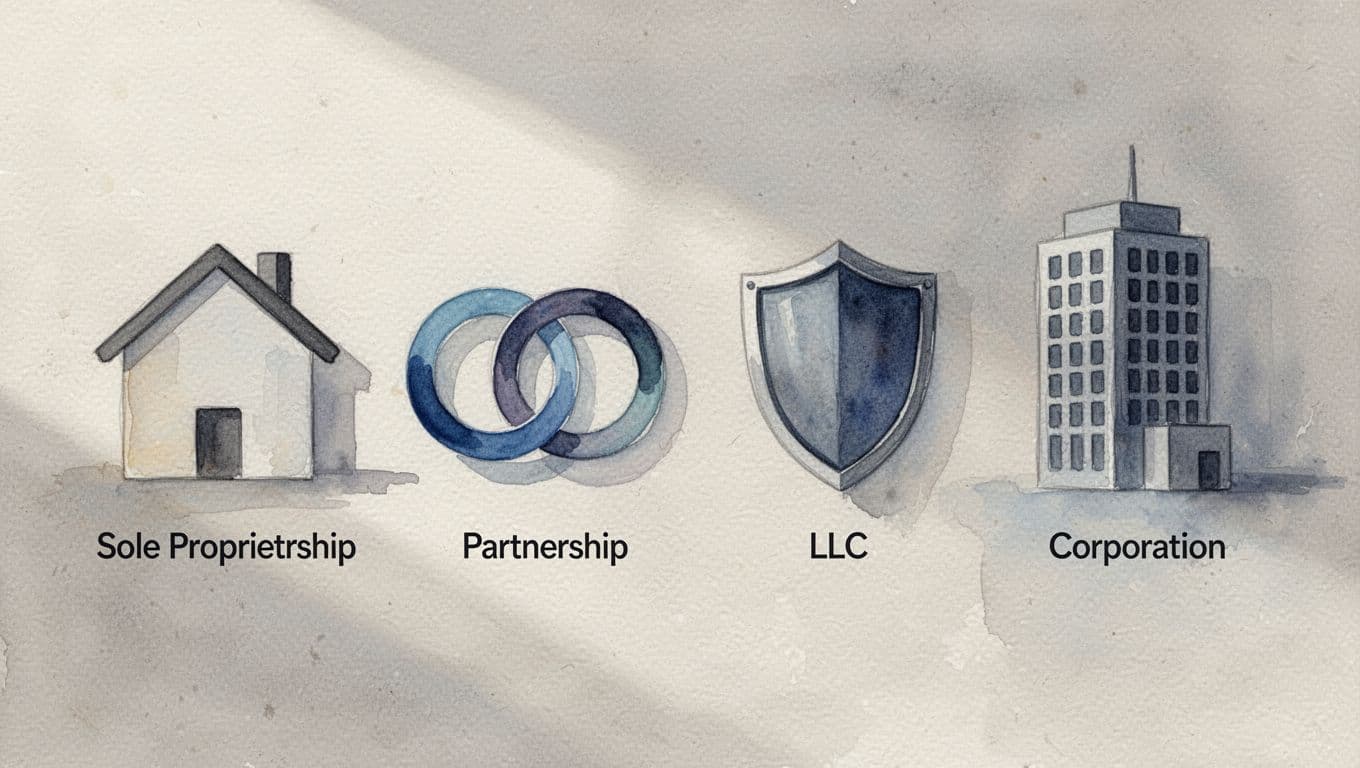
Sole proprietorships suit solos with low risk. No formal setup needed. You own it all, report income on your personal taxes via Schedule C. Easy start, full control. But unlimited liability bites hard. A lawsuit hits your house or savings directly. Great for freelancers or consultants testing waters, not for anything risky like products with safety issues.
Sole Proprietorship: Quick Start with Full Control
You skip state filings entirely. Just hang a sign and go. Taxes flow to your Form 1040, so no separate return. Deduct expenses like supplies or mileage easily.
However, scale stalls here. Banks hesitate without formal papers. Partners can’t join smoothly. If debt piles up, creditors chase your personal stuff. For low-stakes gigs, it’s perfect. Otherwise, level up quick.
LLC: The Smart Choice for Most New Businesses
LLCs top the list for small teams. File a Certificate of Formation with your state’s Secretary of State. Fees run $50 to $500; Texas charges $300 in 2026. This shields personal assets from business debts or suits.
Taxes pass through by default, so no double hit. Profits go on your personal return. Multi-member LLCs work too, with shared protection. Flexible operating agreements set rules inside. Popular because it scales without corporation hassle.
You form it fast online in most states. Then banks love the legitimacy. Investors nod too. Consult a lawyer early; wrong setup costs later fixes.
Corporation: Built for Bigger Ambitions
Corps handle growth best. C-Corps face double taxes: company pays first, then shareholders on dividends. But they raise cash easy from venture folks.
S-Corps dodge that with pass-through taxes, up to 100 owners max, all US citizens. More paperwork though: bylaws, board meetings, annual reports. Stock issuance draws talent or funds.
Both need state filings plus IRS elections for S status. Ideal if you eye public markets or big funding. Small ops drown in rules.
| Structure | Liability Protection | Tax Setup | Best For |
|---|---|---|---|
| Sole Prop | None | Personal return | Solo low-risk |
| LLC | Strong personal shield | Pass-through default | Small teams |
| C-Corp | Strong | Double taxation | Investors |
| S-Corp | Strong | Pass-through | US owners under 100 |
This table shows trade-offs clearly. Match it to your goals. Talk to a CPA before filing.
Register Your Business Name and Formation Without Headaches
Name locked in? Good. Now file official docs. This makes you legit. States handle most via online portals. Skip it, and contracts fail or banks say no.
Start with availability checks. Reserve if needed. Then submit formation papers. Appoint an agent for legal notices. Do it right, and you’re set fast.

Search and Secure Your Business Name
Hit your state’s site first. Search databases free. For all 50 states, use this Secretary of State business entity search guide. Avoid matches to steer clear of confusion suits.
Check trademarks too via USPTO.gov. Reserve names for 30-120 days in many spots, cheap at $10-25. DBA filings cover trade names at county level, like “Joe’s Coffee Shack” if official is “Joe LLC.”
Texas files DBAs county-by-county. California skips state DBAs but watches names tight.
File Your Formation Documents Correctly
Grab forms online. LLCs file Articles of Organization. Corps use Articles of Incorporation. List basics: name, address, agent, owners.
Fees vary; Texas LLC hits $300, others $50-500. Online portals approve in days. Mail takes weeks. Pay credit or check; some add fees.
Delaware draws big firms for court perks, but you still qualify elsewhere if selling nationwide. File where you operate main.
Appoint a Reliable Registered Agent
States demand one. They forward lawsuits or state mail. Needs a US street address, available daytime. You qualify, or hire services at $100/year.
Friends work short-term. Services shine for privacy and reliability. Miss notices? Default judgments hit hard.
Secure Your EIN and File the New BOI Report Fast
Federal IDs come next. EIN acts like your business SSN. Banks, taxes, hires all need it. BOI fights laundering, but 2026 rules changed big.
US companies skip BOI now. FinCEN suspended it March 2025 via interim rule for domestics. Foreign entities still file. Watch for reversals; courts back the Act.

Get Your Employer Identification Number in Minutes
IRS issues EIN free online. Head to their EIN application page. Takes minutes during business hours.
Need structure, address, owners, start date. Sole props qualify too. Print instantly. Use for banks, vendors, even no employees.
Submit Beneficial Ownership Info to Avoid Big Fines
No need for US firms in 2026. Suspension holds, no $500/day penalties now. Track owners anyway; rules might snap back.
Foreign ops file within 30 days: names, addresses, IDs for 25%+ owners or controllers. Free at FinCEN.gov. Updates same timeline.
Hunt Down Licenses, Permits, Taxes, Insurance, and Employment Rules
Licenses stack up by level. Federal rare, like firearms. States handle pros like real estate. Locals cover zoning, sales tax.
Taxes start day one. Insurance protects. Employees add payroll, safety rules. Separate bank accounts too.

Find and Get the Licenses and Permits Your Biz Needs
Search state sites or use tools like this business license requirements by state guide. Food needs health checks; home ops face zoning.
Fines close shops fast. Renew yearly. SBA.gov lists feds.
Set Up Taxes from Day One
Register sales tax if nexus hits, like $100k sales in state. Fed deadlines: partnerships March 15, corps April 15.
States want franchise taxes, annuals. Texas skips income tax. Use accounting apps.
Choose Insurance to Shield Your Business
Grab general liability for slipsuits. Property covers gear. Workers comp mandatory with staff in most states.
Shop quotes by risk. Bundles save.
Handle Employees Legally if You Hire
Classify right: W-2 employees or 1099 contractors. Wrong? Back taxes bite. Payroll taxes fed plus state.
OSHA safety, DOL wages apply. Multi-state? Comply everywhere.
Navigate State Differences and Stay Compliant Year After Year
Rules shift by spot. Texas DBAs county-only, no income tax. California mandates disability insurance, privacy opt-outs under CCPA updates January 2026.
Nexus triggers multi-state sales tax, foreign quals. 19+ states add privacy in 2026.
File annual reports, renew licenses. Software tracks it. Hire pros for specifics.
- Key steps recap: Form structure, register name/agent, get EIN, licenses/taxes/insurance, comply ongoing.
- Consult a lawyer or CPA for your setup.
- Share your business idea below. Subscribe for state guides.
You’re set to launch legally strong. Go build that dream right. (1492 words)