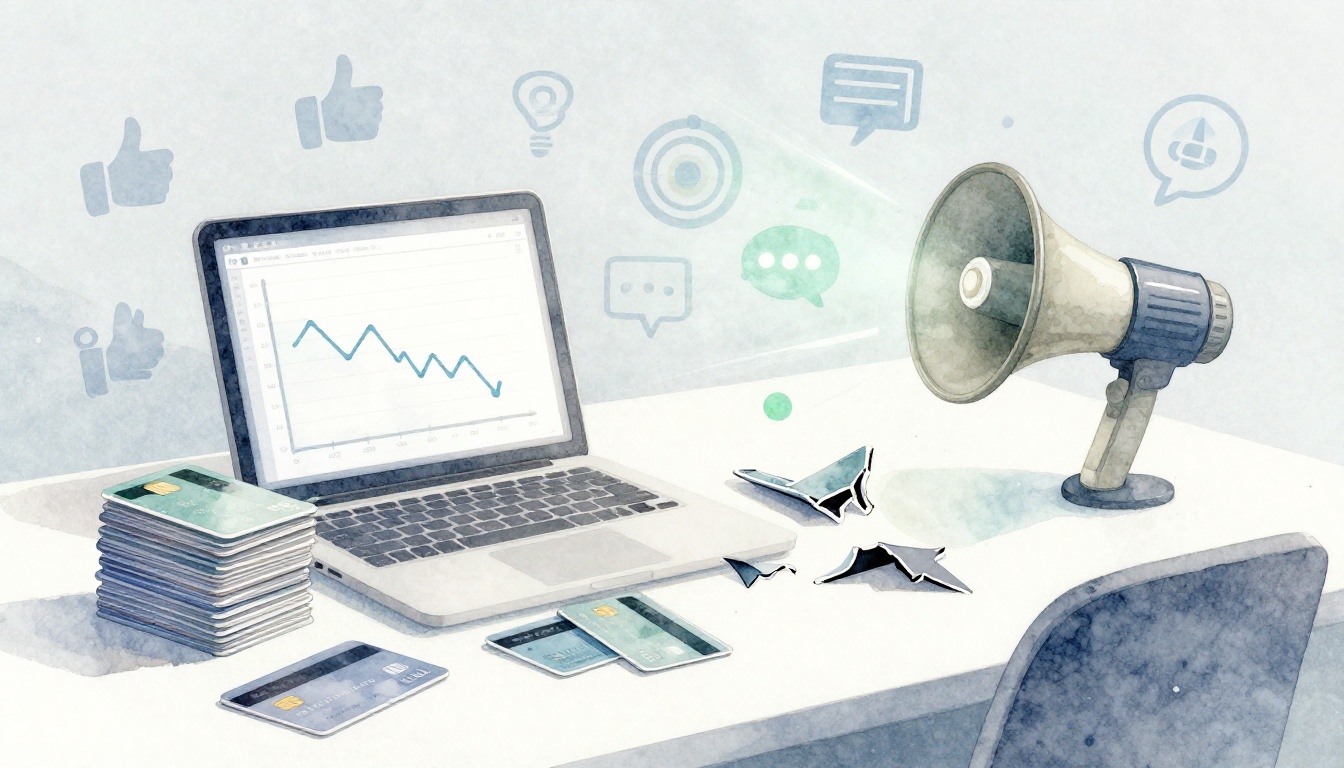
Sarah ran a small online store. She dropped $5,000 on Meta ads last month. Sales? Zero. Her story repeats across the US. Even sharp teams waste cash on common marketing mistakes in ads, branding, websites, and strategy.
These slip-ups cost time and money. Platforms change fast with AI and privacy rules. Yet fixes stay simple.
This post covers four big areas. You’ll get real 2026 data and steps to spot errors quick. Save your budget and grow sales without extra spend.
Ad Campaign Blunders That Drain Your Budget Fast
Ads eat budgets in 2026. US digital spend hits $1.14 trillion globally, with costs up 7.1%. Political ads spike Google and Meta bids. Poor setups make it worse.
Many chase clicks. They ignore sales data. Result? Algorithms can’t optimize. You pay for views, not buys.

Skipping Conversion Tracking on Your Ads
You watch clicks and views. That’s the trap. Platforms need buy or sign-up data to improve.
Why? Algorithms learn from real results. No tracking means blind spending. HubSpot stats show clear tracking lifts ROI as traffic dips.
Fix it before launch. Test small first.
- Install pixels or events on thank-you pages.
- Link to Google Ads or Meta via their setup guides.
- Run a $50 test ad. Check data flows.
A coffee shop did this. Clicks dropped 20%, but sales rose 40%. Simple tweak, big win.
Boosting Budgets on Ads That Aren’t Working
You see weak results. So you add 20-30% cash. Costs rise anyway. Bad targeting or messages stay broken.
Privacy rules break tracking more. Throwing money fixes nothing.
Pause first. Audit audience, offer, channel.
Use this checklist:
- Does copy match customer pain?
- Audience too broad?
- Switch to TikTok if Meta flops?
One store upped spend on failing Google Ads. Results tanked. They paused, fixed targeting, cut waste by half.
Branding and Messaging Slip-Ups That Confuse Your Audience
Customers tune out confusion. Inconsistent looks kill trust. Messages shift too fast. Gut calls waste shots.
Social trends favor real voices. LinkedIn posts from people beat company ones 5-10x.
Fixes build recall fast.
Letting Your Brand Look Different Everywhere
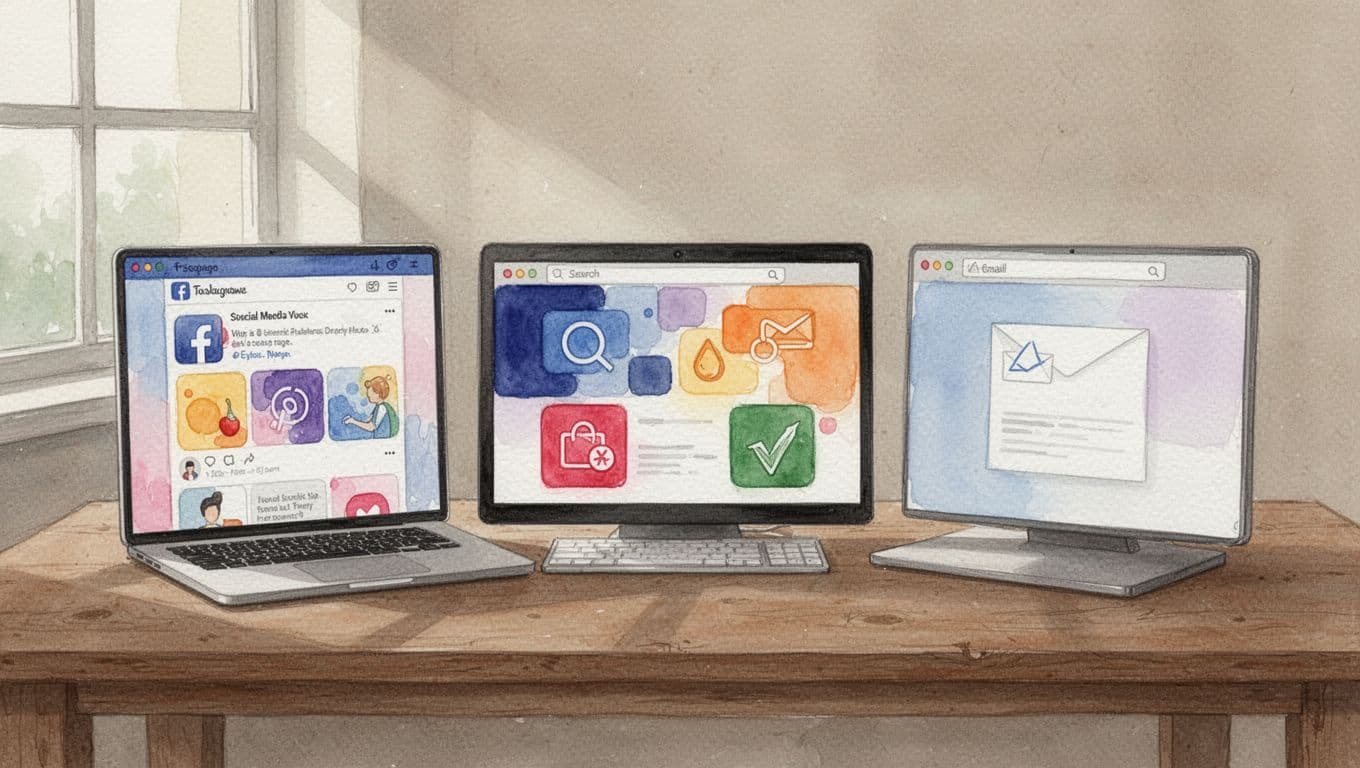
Logos change. Colors flip on Instagram vs site. Voice sounds salesy on email, casual on TikTok.
Buyers don’t connect dots. They scroll past.
Create a one-page style guide. List colors, fonts, tone. Share with team.
Audit monthly. Post samples side-by-side. A bakery matched everything. Recognition jumped 35% in polls.
Switching Messages Too Often or Making Them Messy
You test five ideas weekly. Or cram all benefits in one post. Buyers glaze over.
No clear value sticks. Stick to 1-3 needs-based messages. Run for six months.
A/B test headlines. “Solves X pain” beats “We sell Y.”
A tech firm picked two messages. Engagement rose 50%. Consistency pays.
Choosing Hunches Over Hard Data
You like a post idea. No numbers back it. Flops follow.
Analytics show winners. Check top traffic sources weekly.
Build a dashboard. Review clicks to sales. Data guides next moves. Feelings second.
Website and SEO Shortcomings That Hide You from Customers
Over half traffic comes mobile now, around 55-60%. Bad sites bounce users. Cheap SEO tanks rankings.
AI spots tricks fast. Penalties hit hard.
Demand proof. Test basics.
Falling for Cheap SEO Promises Without Proof
Low bids sound good. They use keyword stuffing or fake links. Google de-indexes sites. Traffic drops 90%.
Scaled AI spam gets hit in 2026 updates. See examples of penalties.
Ask for case studies. Require monthly ranking reports. Pick providers with traffic proof.
Overlooking Mobile-Friendly Design
Tiny text. Buttons too close. Pages load slow on phones.
Users bounce. Google drops ranks.
Run Google’s mobile test. Enlarge taps. Compress images.
A retailer fixed speed. Bounces fell 25%. Sales climbed.
Strategy and Personalization Gaps That Miss Big Opportunities
One pitch fits none. Company pages flop on LinkedIn. Tools without plans fail.
B2B loves human posts. Segment by needs.
Plan first. Scale smart.

Wasting LinkedIn Reach by Sticking to Company Pages
Posts get few views. Personal profiles win 5-10x engagement. People trust people.
Train staff to share from profiles. Repost company news.
See LinkedIn data on reach. A firm did this. Leads doubled.
Sending the Same Pitch to Every Customer
Generic emails ignore size or location. No one bites.
Segment lists. Tailor by pain points.
Small biz gets simple tips. Big ones get scale stories.
Chasing Shortcuts Instead of Solid Plans
Automation without audience map flops. Define goals first.
Pick channels. Craft messages. Then use AI to send.
Long plans build loyalty.
Ads need tracking. Brands stay consistent. Sites go mobile. Strategies personalize.
One fix per area saves thousands in 2026’s tight market.
Audit ads today. Check one pixel. Share below: what’s your top mistake? You’ve got this.